Hydro Demolition

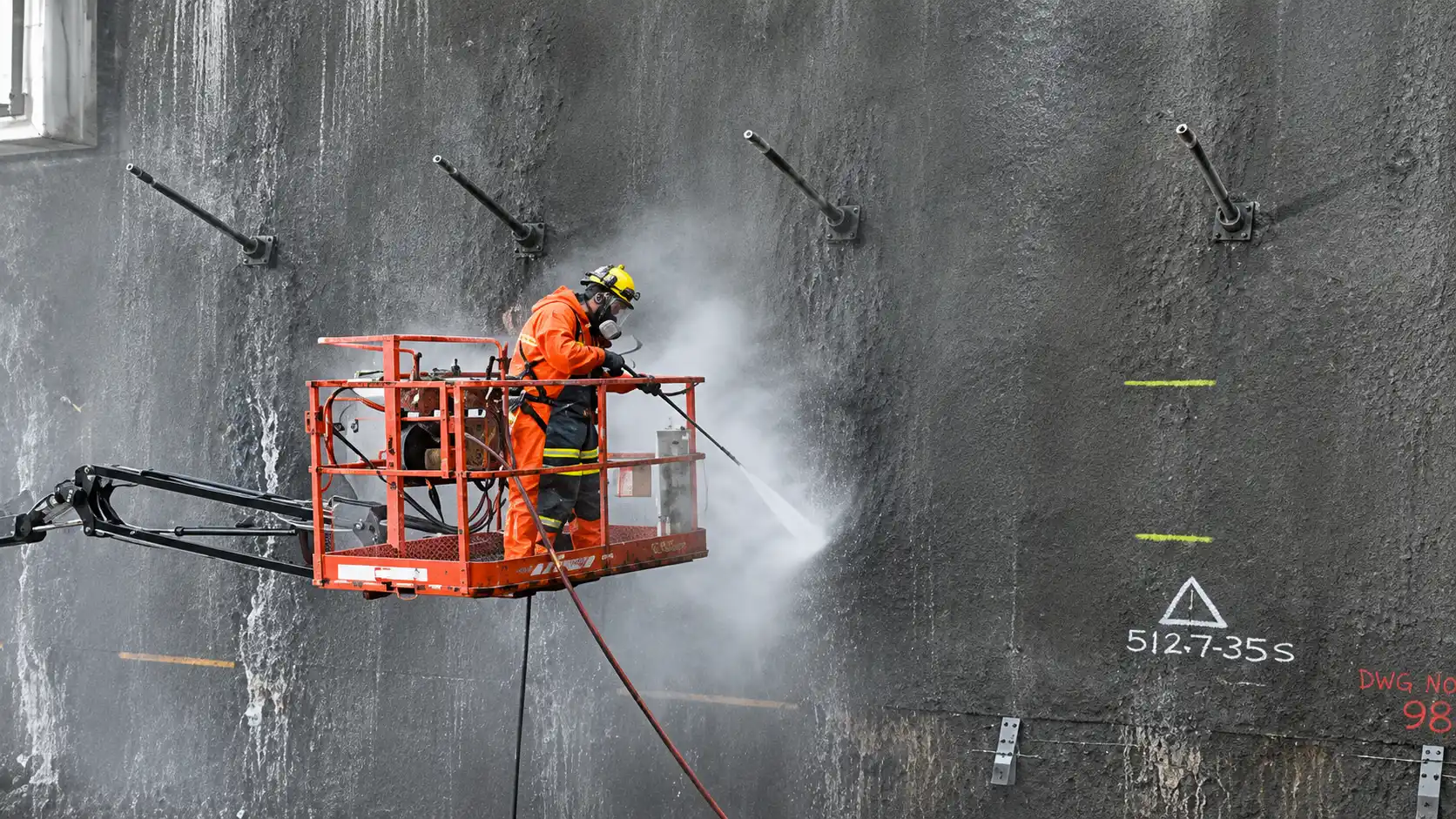
Hydro demolition is a concrete removal method that uses high-pressure water jets to break down and remove concrete while helping preserve steel reinforcement and surrounding material. Specialised nozzles can be operated manually or with robotic equipment, allowing the method to be used across large areas and in restricted or difficult-to-access locations.

CSA Specialised Services provides hydro demolition services and high-pressure concrete removal in Queensland using specialised water-blasting equipment for infrastructure, industrial and structural applications.

Common hydro demolition applications and capabilities include:

  • Selective and reinforced concrete removal
  • High-pressure water blasting
  • Concrete removal for bridges, dams and industrial structures
  • Robotic and manually operated hydro demolition equipment
  • Vacuum extraction of liquid washings and debris
  • Concrete surface preparation for subsequent repair and bonding

What Is Hydro Demolition and How Does It Work?

Hydro demolition directs high-pressure water at concrete to remove selected material without relying on conventional mechanical breaking methods.

For hydro concrete demolition work, the process can be controlled to remove damaged or unwanted concrete while helping preserve reinforcing steel and surrounding sound material. Depending on the project and access conditions, specialised nozzles can be operated manually or through robotic equipment.

Hydro demolition can also be used for concrete scabbling, creating a textured surface suitable for subsequent repair and bonding work.

What Are the Benefits of Hydro Demolition?

Hydro demolition provides a controlled alternative to conventional mechanical concrete removal, particularly where the surrounding structure or reinforcing steel needs to be protected.

Selective Concrete Removal

High-pressure water can be directed at selected areas of concrete, helping remove damaged or unwanted material without unnecessarily affecting surrounding sections. This makes the method suitable where controlled concrete removal is required before structural repair or resurfacing work.

Reduced Structural Impact

Hydro demolition is a low-vibration concrete-removal method that helps reduce the risk of micro-cracking and unnecessary damage to surrounding material. This can be particularly useful for structures such as bridges, dams and industrial assets where limiting mechanical impact is important.

Reduced Dust and Noise

Using high-pressure water helps limit airborne dust compared with dry mechanical concrete-removal methods. The process can also reduce noise and vibration while concrete is being removed.

Hydro Demolition Equipment and High-Pressure Water Blasting

CSA uses specialised hydro demolition equipment and high-pressure water-blasting systems for reinforced concrete removal across different project environments.

High-pressure water blasting can also be used to remove asphalt and grout, depending on the surface and project requirements.

High-Pressure Pump Capability

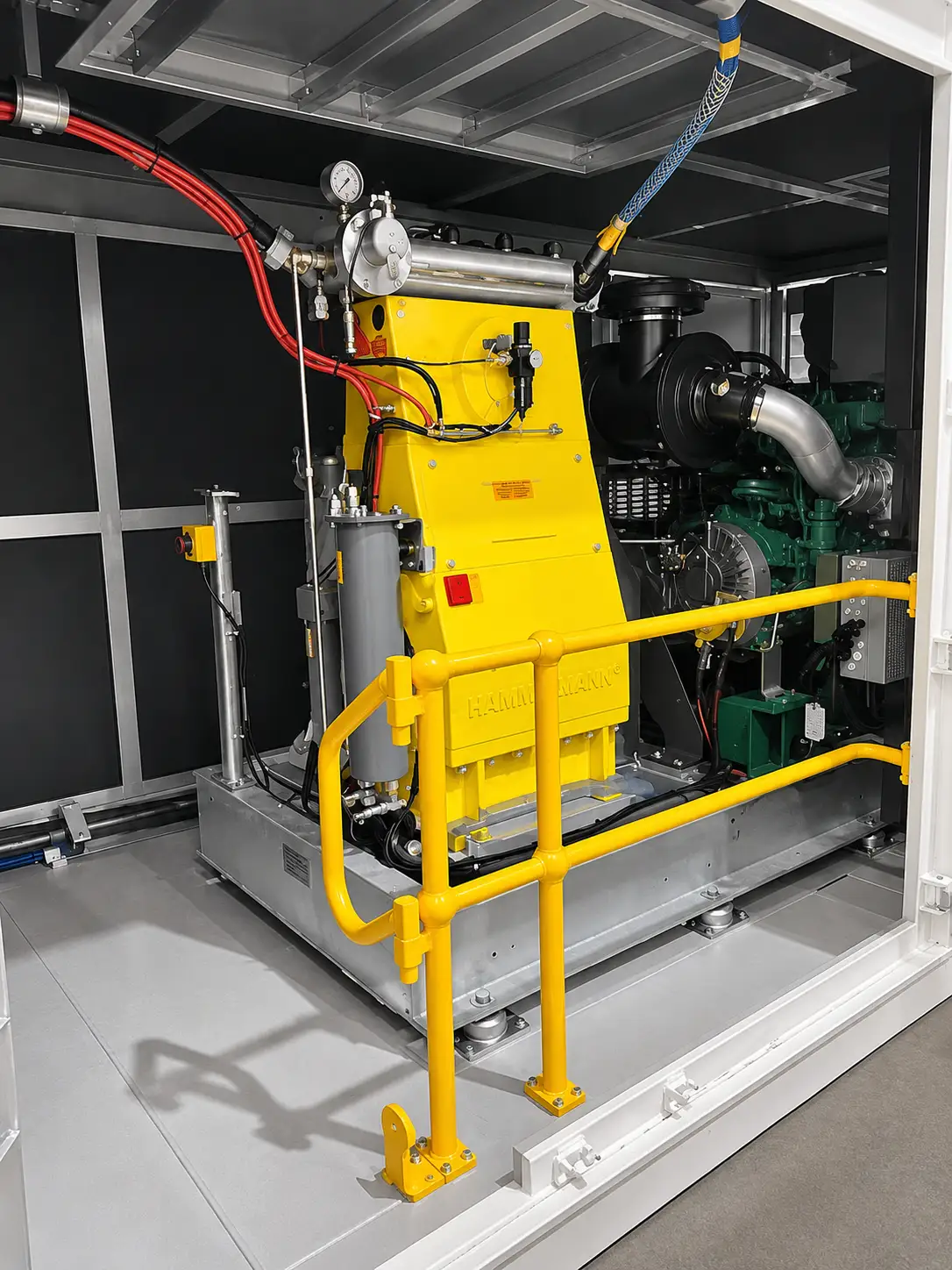
CSA's hydro demolition work uses  Hammelmann high-pressure pumps, including 500 kW and 200 kW units  capable of operating at pressures up to 3000 bar.

PUMP CAPABILITY

3000 bar

Pump units     500 kW / 200 kW

Flexible Equipment Configuration

The pumps can support reinforced concrete removal in demanding, remote or restricted environments and can be configured in container- or truck-mounted setups where required.

Wireless robotic hydro demolition equipment supports selective concrete removal in challenging or restricted-access areas.

Robotic and Manual Hydro Demolition Equipment

Hydro demolition can be carried out using robotic or manually operated equipment depending on the area being treated and the project environment.

This flexibility allows high-pressure concrete removal to be undertaken across larger areas as well as locations where access is restricted or difficult.

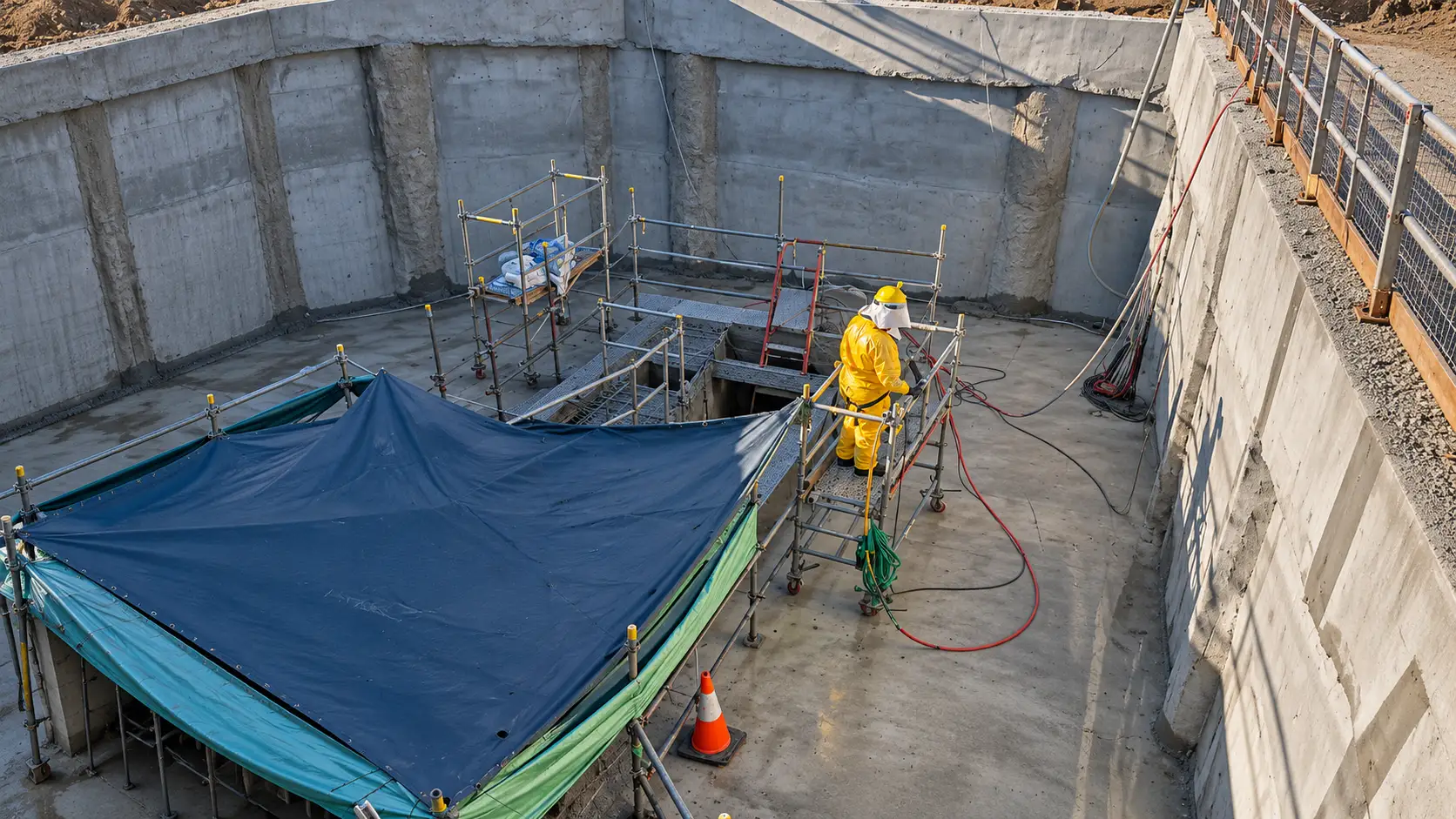
Manual hydro demolition supports controlled concrete removal in restricted-access areas using high-pressure water blasting.

Where Is Hydro Demolition Used?

Hydro demolition can support concrete-removal and repair works across infrastructure, industrial and structural projects.

01

Bridge and Road Infrastructure

Hydro demolition can be used to selectively remove damaged concrete during bridge and road resurfacing projects while helping preserve reinforcing steel and surrounding material.

02

Dams, Reservoirs and Marine Structures

Controlled concrete removal can be used on dams and reservoirs, including high-moisture or submerged environments.

The low-vibration method can also support concrete-removal work on sensitive marine and coastal structures.
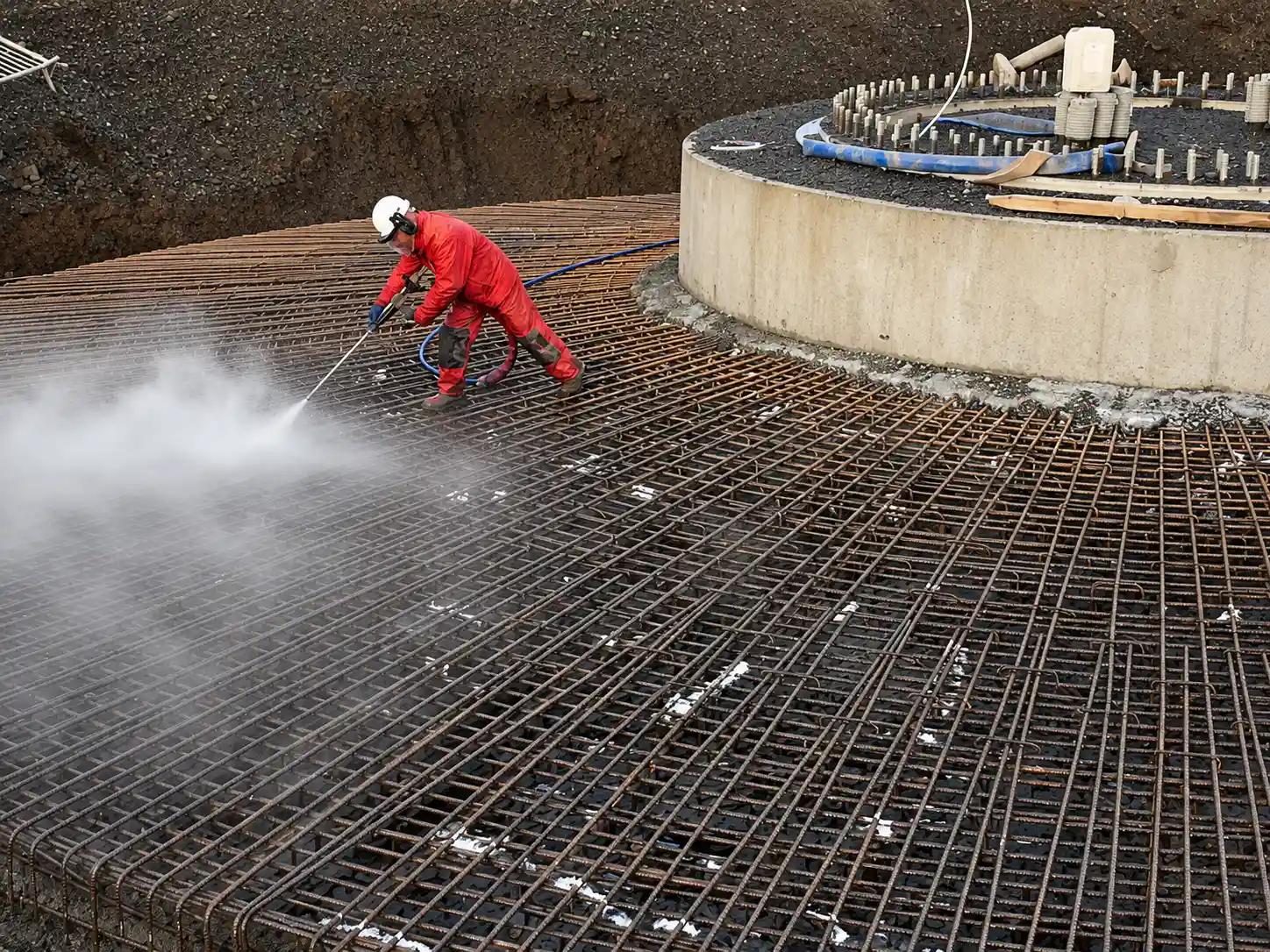
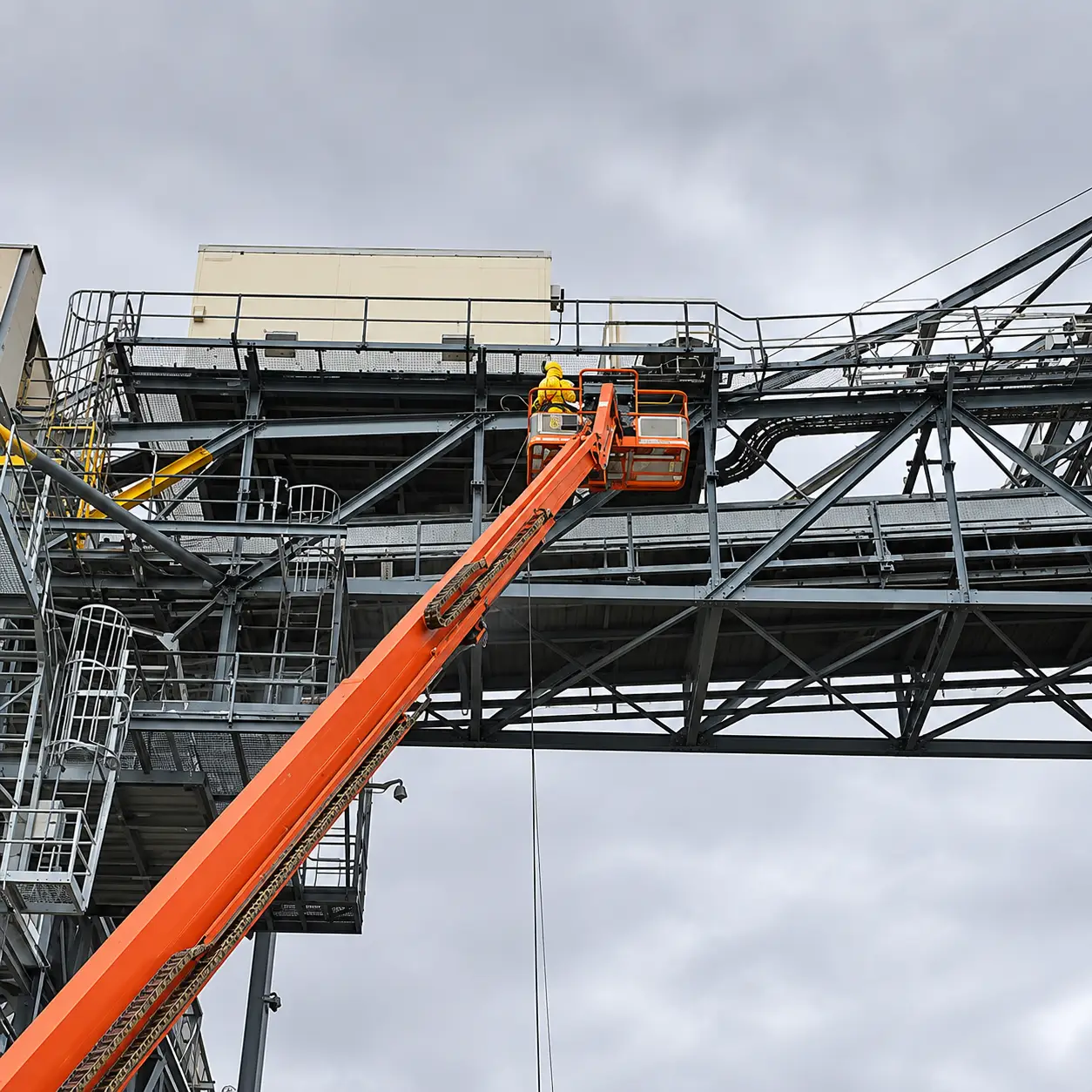
Selective hydro demolition supports concrete removal on bridges, dams and other structures while helping preserve reinforcement.
03

Industrial Facilities, Tunnels and Overhead Projects

Hydro demolition can support concrete removal during upgrades at industrial facilities and wastewater plants.

The method can also be used in tunnels and overhead work areas where controlled removal and reduced impact on surrounding structures are important.

Hydro demolition and concrete scabbling help prepare existing structures for subsequent repairs and bonding.
Hydro demolition stages illustrate concrete removal and the liquid washings and debris that may require recovery.

Vacuum Extraction of Liquid Washings and Debris

Hydro demolition produces liquid washings and removed material that may need to be recovered as work progresses.

CSA's vacuum units can extract liquid washings and debris over distances exceeding 200 metres, supporting work in complex project environments such as dam wall scabbling.

Removing these materials during the work also helps minimise contaminants remaining around the project area.

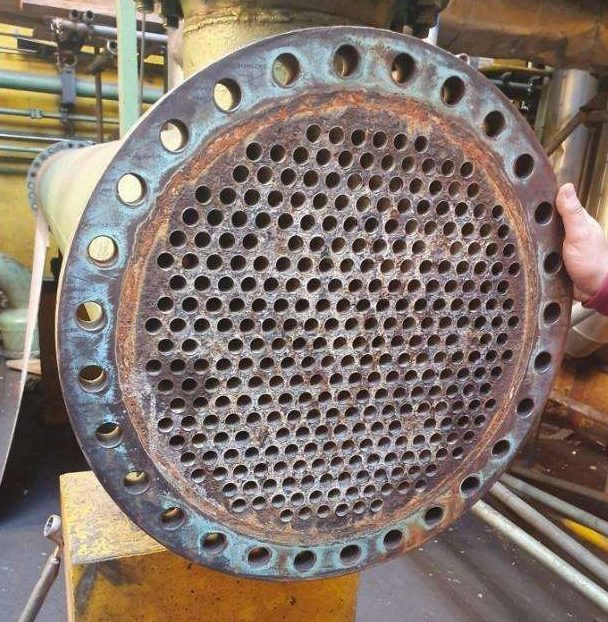
Heat exchanger tube cleaning with high-pressure water helps remove scale and fouling from industrial equipment.

Related High-Pressure Cleaning for Heat Exchangers and Pipework

CSA's high-pressure water-blasting capability also extends to heat exchanger and pipework cleaning.

The Peinemann flex lance system can be used to clean internal tubes while surrounding surfaces are washed with high-pressure water. Spinning heads help remove scale and fouling while preserving tube integrity, supporting the restoration of heat-exchanger performance.

This is a related high-pressure cleaning capability rather than a hydro demolition application, but it can be relevant on industrial sites requiring multiple specialised water-blasting services.

Project Planning, Safety and Pricing

Hydro demolition projects are planned around the concrete-removal requirements, equipment, access conditions and site environment.

CSA combines specialised equipment with project planning and safety and compliance requirements throughout the work.

CSA offers flexible day-rate pricing to help provide clarity around hydro demolition cost. Where heavy build-up or material characteristics affect the project requirements, any adjustments are communicated as the work progresses.

For sites that also require response support for spills or liquid waste, CSA provides emergency response services for industrial spills and waste incidents, supported by dangerous goods capability.

Hydro Demolition Services in Queensland

CSA Specialised Services provides hydro demolition services across Queensland for infrastructure, industrial and structural concrete-removal projects.

For projects requiring experienced hydro demolition contractors, the work can be planned around the concrete being removed, site access, surrounding structures, equipment requirements and recovery of liquid washings and debris.

The appropriate combination of high-pressure pumping, manual or robotic operation and vacuum extraction can be selected according to the project requirements.

Talk to Our Team About Hydro Demolition

Damaged concrete, exposed reinforcement or a structure that needs controlled concrete removal before repair? Talk to the CSA team about what structure is involved, the area requiring removal, the access conditions and any restrictions around the work area. Our team can review the requirements and plan hydro demolition for your concrete removal project.

Hydro demolition in Queensland supports controlled concrete removal and site planning ahead of structural repair work.

Frequently Asked Questions

Hydro demolition is a concrete removal method that uses high-pressure water to break down and remove selected areas of concrete. Unlike impact-based demolition methods, it can remove concrete while preserving reinforcing steel and surrounding sound concrete.

Hydro demolition removes concrete using high-pressure water rather than mechanical impact. This reduces vibration and the risk of impact-related microcracking while allowing concrete to be removed selectively around reinforcing steel and surrounding structures.

Hydro demolition is commonly used where reinforcing steel needs to remain in place. The high-pressure water removes the surrounding concrete without the direct mechanical impact associated with jackhammers and other breakers, helping preserve the existing reinforcement for subsequent repair work.

Hydro scabbling uses high-pressure water to remove or roughen the upper surface of concrete rather than carrying out deeper concrete removal. It is commonly used for surface preparation where a textured profile is required before an overlay, coating or concrete repair is applied.

Yes. Hydro demolition can remove deteriorated or unwanted concrete while leaving a rough, exposed surface suitable for subsequent repair or reinstatement. The resulting surface profile can help provide a stronger bonding surface for new concrete or repair materials.

Robotic hydro demolition is generally suited to larger or repetitive removal areas where controlled movement and consistent removal are required. Hand-held water jetting provides greater flexibility for smaller, restricted or difficult-to-access areas. The appropriate method depends on the project geometry, access and concrete-removal requirements.

Hydro demolition produces concrete debris, fine slurry and wastewater as concrete is removed. Vacuum extraction can be used to recover liquid washings and debris from the work area. The appropriate recycling, recovery, treatment or disposal pathway depends on the material, contamination and project requirements.

Hydro demolition costs depend on factors such as the area and depth of concrete being removed, concrete condition, site access, the method and equipment required, project complexity, and water and debris management requirements. The scope of the work therefore needs to be assessed before accurate pricing can be determined.

TOP