
Confined Space Entry

Confined space entry involves work in enclosed or partially enclosed areas that can present serious risks, including insufficient oxygen, toxic gases and engulfment. Industrial confined spaces can include silos, hoppers, storage tanks, reactors and ductwork.

CSA Specialised Services provides confined space services for industrial sites across Queensland, supported by pre-entry assessment, continuous air and risk monitoring, emergency preparedness, post-entry review and site-specific work procedures and safety plans.

Common confined space entry and management requirements include:

  • Pre-entry hazard assessment and space classification
  • Entry and exit planning
  • Continuous air and risk monitoring
  • Emergency preparedness
  • Fall arrest, ventilation and personal protective equipment
  • Post-entry review

What Is a Confined Space?

A confined space is an enclosed or partially enclosed area not designed primarily for people to occupy, which is or is intended to be at normal atmospheric pressure during entry and may pose risks from unsafe oxygen levels, airborne contaminants or engulfment. Restricted access can make entry and rescue more difficult, but restricted access alone does not define a confined space.

Because access, atmosphere and work requirements can vary between sites, confined space work needs to be assessed and planned before entry begins. CSA supports this process through risk assessment, monitoring, emergency preparedness and site-specific procedures.

How Does Confined Space Entry Work?

CSA's confined space services can support each phase of the entry process, from assessing hazards and planning access through to monitoring conditions, preparing for emergencies and reviewing the work after entry is complete.

Utility Locating services

Pre-Entry Assessments and Entry Planning

Before confined space entry begins, a confined space risk assessment helps identify potential hazards and establish appropriate entry and exit procedures for the planned work. This stage can include hazard assessment, space classification and planning around the specific conditions of the site and work to be completed. Entry planning also includes confirming the required permits, appropriate isolation controls and arrangements for communication with personnel inside the space.

Clearing Blockages

Continuous Air and Risk Monitoring

Conditions within a confined space can change while work is underway. Continuous monitoring helps track air quality and other potential risks throughout the entry process.

Repairing Pipes services

Emergency Preparedness

Emergency preparedness forms part of confined space planning so the site is prepared to respond if conditions change or an unforeseen issue occurs during the work. Planning should also establish arrangements for a standby person, ongoing communication with workers inside the space and an appropriate emergency rescue procedure.

Liquid Waste Removal services

Post-Entry Review

After the work is complete, CSA conducts a post-entry review to gather information from the project and refine the approach where appropriate.
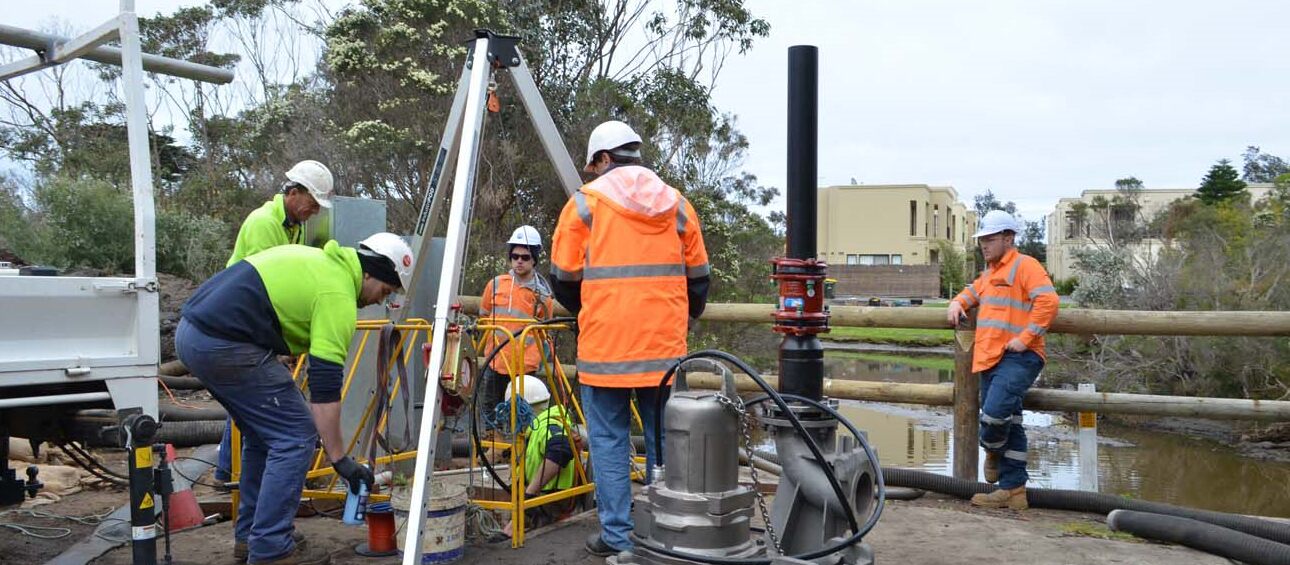
Industrial Confined Space Management

Industrial confined space management brings together hazard assessment, space classification, entry procedures, monitoring, emergency planning and site-specific safety requirements.

Confined space entry can form part of broader industrial waste management services in Queensland where restricted-access work is required. The approach is planned around the hazards, access conditions and work being undertaken within the space.

Site-Specific Work Procedures and Safety Plans

Each confined space project can present different access conditions and hazards. CSA develops site-specific work procedures and safety plans so identified risks and the required safety protocols are addressed for the work.

What Safety Controls Support Working in Confined Spaces?

CSA technicians undergo training in areas relevant to confined space safety, including air monitoring, fall arrest, ventilation and personal protective equipment.

Air Monitoring and Ventilation

Air monitoring is used to assess air quality within confined spaces, while ventilation supports airflow and helps reduce the risk of hazardous air accumulating within the work area.

Fall Arrest and Personal Protective Equipment

Fall-arrest measures can be used to manage fall risks associated with confined space work. Personal protective equipment is selected to suit the specific environment and work requirements.

Where Can Confined Space Entry Be Required?

Confined space entry may be required for inspection, cleaning, maintenance or other work within industrial areas where access and exit are restricted and additional hazards need to be assessed and managed.

Silos, Hoppers and Storage Tanks

Silos, hoppers and storage tanks can present restricted access, limited entry and exit points and potentially hazardous internal conditions. Confined space planning considers these site-specific conditions before work begins.

Reactors and Ductwork

Reactors and ductwork are also examples of industrial confined spaces where access conditions, atmospheric risks and the work being performed need to be considered as part of the entry process.

Manholes, Sewers and Underground Infrastructure

Confined space entry may also be required when inspecting, cleaning or maintaining manholes, sewer structures, underground pipes and service vaults. Each location needs to be assessed against the confined space criteria and site-specific hazards before entry begins.

Confined Space Cleaning and Maintenance

Confined space cleaning services may be required where silos, storage tanks or other restricted-access industrial areas need cleaning or maintenance.

Where confined-space access is needed for tank or vessel cleaning, CSA can coordinate the entry requirements as part of its industrial tank, pit and vessel cleaning services for Queensland sites.

The entry requirements still need to account for access conditions, potential atmospheric hazards, monitoring, ventilation and the work being undertaken within the space.

Planning Confined Space Work Around Site Requirements

The scope of confined space work depends on the space, identified hazards, access requirements, monitoring needs and the tasks being completed.

CSA plans the work around site-specific requirements and project scope, while maintaining the safety measures and procedures required for confined space entry.

Confined Space Services in Queensland

CSA Specialised Services provides confined space services across Queensland for industrial sites requiring managed entry into restricted or potentially hazardous areas.

Where a project requires confined space entry contractors, the service scope can include pre-entry assessment, continuous air and risk monitoring, emergency preparedness, site-specific work procedures and post-entry review.

The requirements are planned around the particular space, hazards, access conditions and work to be carried out.

Talk to Our Team About Confined Space Services

Planning work in a silo, hopper, storage tank, reactor, ductwork or another restricted-access industrial area? Talk to the CSA team about what space is involved, the work that needs to be completed, known hazards, access conditions and any site requirements. Our team can review the scope and discuss confined space entry requirements for your industrial site.

Non-destructive digging supports carefully planned excavation around rail infrastructure and other sensitive assets.

Frequently Asked Questions

A confined space is an enclosed or partially enclosed space that is not designed or intended primarily to be occupied by a person, is at normal atmospheric pressure while occupied, and is or is likely to present a risk because of unsafe oxygen levels, airborne contaminants or engulfment. Examples can include tanks, silos, pits, pipes and ducts depending on their design and the conditions present.

For Australian WHS purposes, confined space entry is considered to have occurred when a person's head or upper body enters the boundary of the confined space. This distinction is important when assessing whether confined-space entry requirements apply to the work being planned.

Yes. Under Queensland WHS requirements, a worker must not be directed to enter a confined space for work unless a confined space entry permit has been issued. The permit identifies the space, authorised entrants and applicable risk controls, and records completion of the work and exit of personnel.

Confined spaces can contain unsafe oxygen levels, flammable gases or harmful airborne contaminants that may not be obvious without testing. Atmospheric testing helps assess conditions before and during work, while ongoing monitoring may be required where the risk assessment indicates that conditions could change.

A standby person remains outside the confined space while work is underway, maintains communication with workers inside and monitors conditions associated with the entry. They also play an important role in initiating the planned emergency response if conditions change or assistance is required.

Yes. Emergency and rescue arrangements need to be established for confined space work before entry occurs. Planning should reflect the particular space, identified hazards, access and exit conditions, communication arrangements and the type of emergency response that may be required.

Specialist confined space entry services may be required when inspection, cleaning, maintenance or other industrial work involves entering tanks, silos, reactors, ductwork or other restricted spaces that meet the confined-space definition. Depending on the work, this can involve pre-entry assessment, atmospheric monitoring, entry planning, communication, a stand-by person and emergency or rescue arrangements.

Relevant workers must receive suitable and adequate information, training and instruction about the hazards, risks, control measures and procedures associated with confined space work. The training required will depend on the worker’s role and the work being carried out. CSA Specialised Services also provides confined space training to support personnel involved in confined space work.

TOP