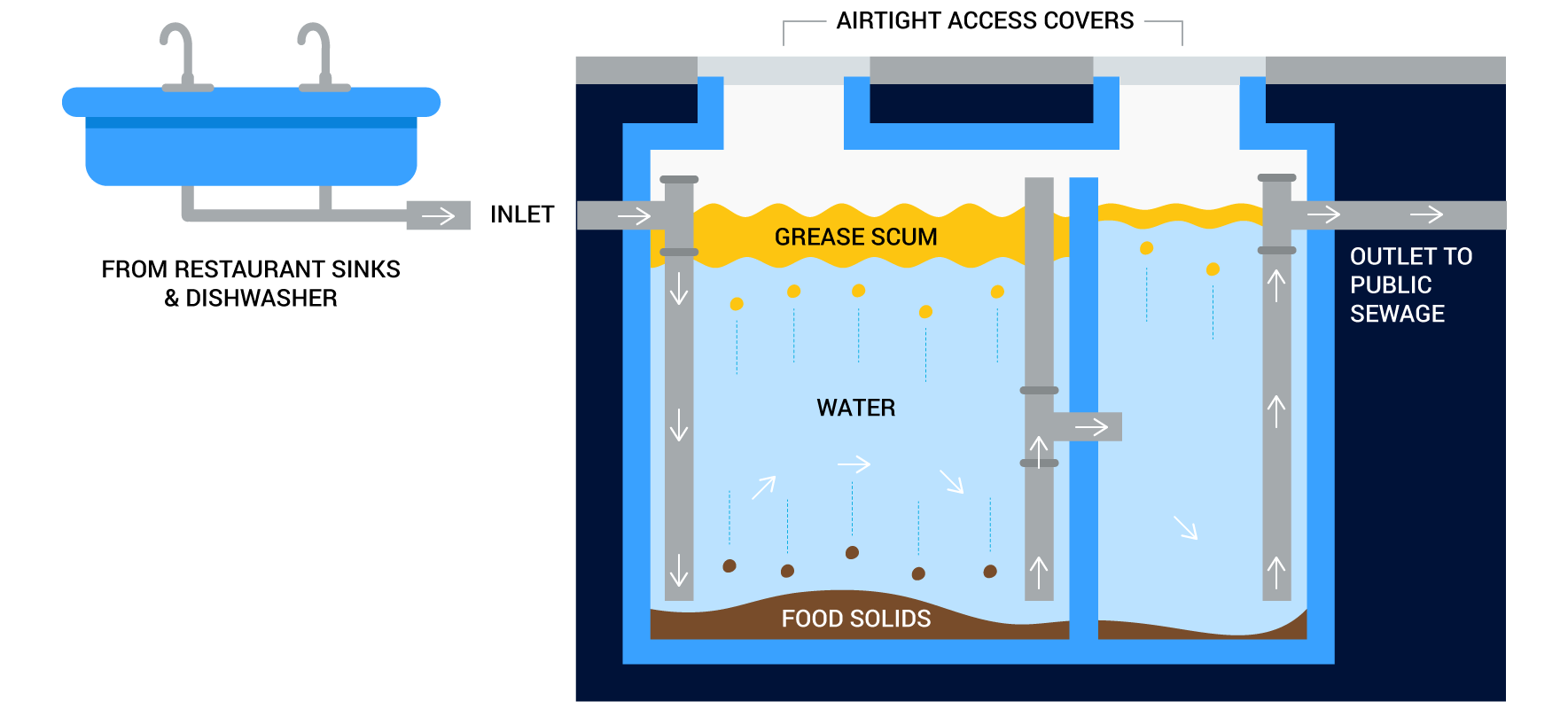
Grease trap cleaning removes accumulated fats, oils, grease, liquid and solids so the trap can continue separating these materials from wastewater.
CSA Specialised Services provides commercial grease trap cleaning, pump-out and maintenance services for businesses throughout Queensland.
Regular servicing helps maintain available capacity within the trap and reduces the risk of accumulated waste contributing to blockages, overflows, odours or other drainage problems.
Our commercial grease trap services include:
- Grease trap pump-outs
- Grease and solids removal
- Debris and residue removal
- Inspection and deodorisation
- Additional trap cleaning where required
- Scheduled grease trap servicing
- Emergency grease trap cleaning
- Triple interceptor cleaning
For broader collection and disposal requirements, our liquid waste removal and management services cover a range of commercial and industrial liquid waste streams.
The servicing requirements will depend on the interceptor, material present, site access and the level of cleaning required.
01
Confirm the Site and Servicing Requirements
The grease trap or triple interceptor, site access and work required are identified before servicing begins.
02
Pump Out and Clean
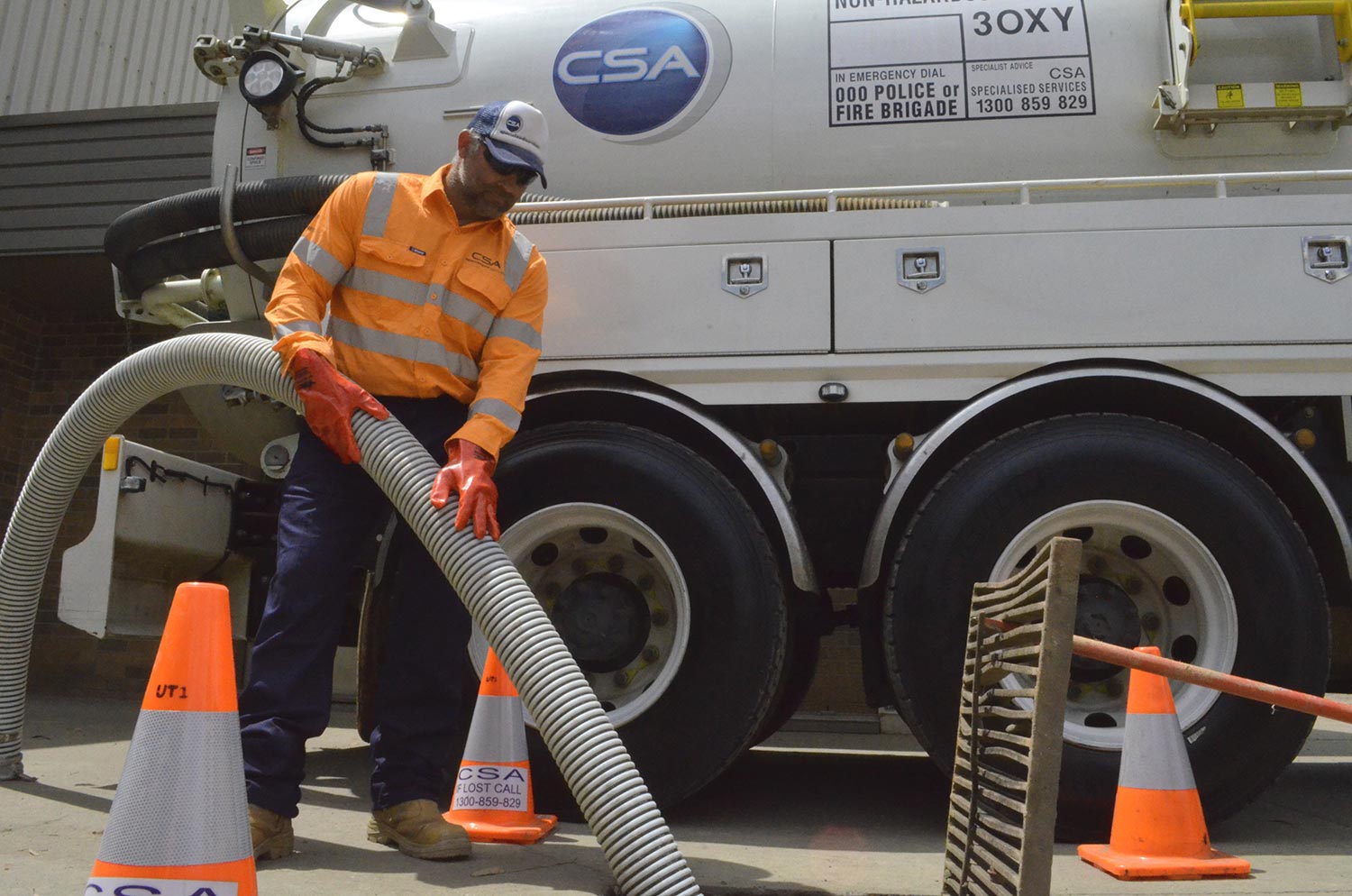
Grease, liquid and solids are removed using specialised pumping equipment. Remaining debris and residue can then be removed, with inspection and deodorisation carried out where required.
03
Transport the Collected Waste
Removed grease trap waste is transported through an appropriate waste-management pathway.
Waste Transport Documentation
Following grease trap waste collection, the appropriate waste transport documentation is provided and lodged where required.
Scheduled Servicing
Routine grease trap servicing can be arranged to support ongoing maintenance requirements and the servicing frequency required for the site.
Queensland Coverage
Commercial grease trap cleaning services are available throughout Queensland for scheduled, one-off and urgent requirements.
24/7 Emergency Line
A 24-hour emergency line is available for urgent grease trap and liquid waste requirements.
Frequently Asked Questions
There is no single cleaning frequency that suits every business. How often a grease trap needs servicing depends on the size of the trap, how much grease and solids are accumulating and the servicing requirements that apply to the site.
For commercial premises, the required frequency may also be set through the relevant trade waste approval or local water authority requirements.
Signs that a grease trap may need attention can include strong odours, reduced capacity, slow drainage, overflows or recurring grease-related drainage problems.
Regular scheduled servicing can help remove accumulated grease and solids before they begin affecting the trap or downstream drainage.
If grease and solids continue to build up, the available capacity inside the trap reduces and the risk of odours, overflows and drainage problems can increase.
Regular pump-outs and cleaning help remove accumulated waste before it begins affecting the performance of the trap or surrounding drainage system.
Grease trap odours can develop as fats, oils, grease and other organic material accumulate inside the unit.
Strong or persistent odours may indicate that the trap needs servicing or that there is another issue within the drainage system. The condition of the trap should be assessed before deciding what cleaning is required.
A pump-out removes the accumulated grease, liquid and solids from the grease trap, while a more thorough clean may also involve removing remaining debris and residue and carrying out additional cleaning, inspection or deodorisation where required.
The level of service needed depends on the condition of the trap and the amount of material that has accumulated.
Grease trap cleaning costs vary depending on the size and condition of the trap, the amount of waste present, site access and the level of cleaning required.
Whether the service involves a routine pump-out, additional cleaning, a triple interceptor or an urgent call-out can also affect the work required.
Not always. Grease trap cleaning can remove accumulated material from the trap, but a blockage may also be located further along the drainage system.
If the problem continues after the grease trap has been serviced, drain cleaning or further inspection may be required to identify and address the affected pipework.
Grease trap waste is removed from the site and transported through an appropriate waste-management pathway for processing or disposal.
The servicing requirements and waste-handling arrangements depend on the material collected and the requirements that apply to the site.